Do You Have a Fractured Tooth?
Posted on 3/2/2026 by Dr. Scherer |
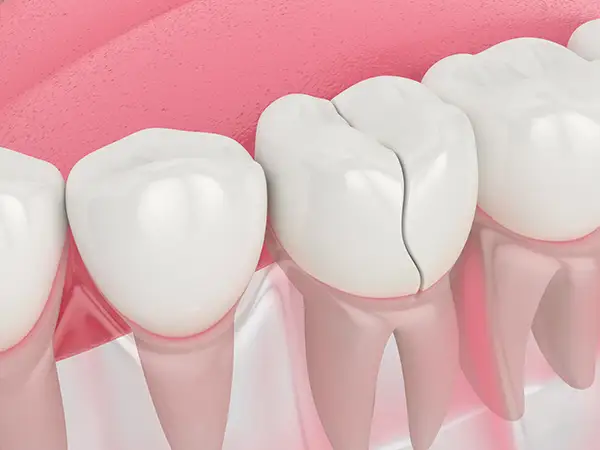 Imagine biting down on something and feeling a sudden, sharp pain in your mouth. Or perhaps you notice a sensitivity to temperature changes that just won't go away. These could be signs of a fractured tooth. A cracked or broken tooth can be a scary experience, but understanding what's happening is the first step towards getting the right treatment and maintaining good oral care. Imagine biting down on something and feeling a sudden, sharp pain in your mouth. Or perhaps you notice a sensitivity to temperature changes that just won't go away. These could be signs of a fractured tooth. A cracked or broken tooth can be a scary experience, but understanding what's happening is the first step towards getting the right treatment and maintaining good oral care.
What is a Fractured Tooth?
A fractured tooth, simply put, is a crack or break in the hard outer layer of your tooth, called the enamel. These cracks can vary in severity, ranging from tiny, hairline fractures that are barely noticeable, to larger, more significant breaks that expose the inner layers of the tooth. Sometimes, the fracture may be under the gum line and difficult to see.
What Causes Teeth to Fracture?
There are many reasons why a tooth might fracture. Some common causes include:
| • |
Biting down on hard objects: Ice, hard candy, nuts, or even a stray olive pit can put a lot of pressure on your teeth. |
| • |
Grinding or clenching your teeth (bruxism): This can happen unconsciously, especially during sleep, and can wear down your teeth over time, making them more prone to fractures. |
| • |
Trauma to the mouth: A blow to the face from a fall, sports injury, or accident can cause teeth to crack or break. |
| • |
Large fillings: Fillings weaken the remaining tooth structure, especially if they are large or old. |
| • |
Temperature changes: Rapidly changing temperatures in your mouth, like going from a hot drink to a cold one, can cause your teeth to expand and contract, potentially leading to fractures. |
| • |
Age: As we age, our teeth naturally become more brittle and susceptible to cracks. |
Recognizing the Signs
Identifying a fractured tooth can sometimes be tricky, as the symptoms can vary. You might experience:
| • |
Pain when chewing or biting: This is a common symptom, especially when releasing the bite. |
| • |
Sensitivity to hot or cold temperatures: The crack can allow hot or cold stimuli to reach the nerve inside the tooth. |
| • |
Pain that comes and goes: The pain might not be constant, but rather triggered by certain activities. |
| • |
Swelling around the affected tooth: In severe cases, the gums around the fractured tooth may become swollen or tender. |
| • |
Visible crack: Sometimes, you can actually see the crack on the surface of the tooth. |
What Happens if You Don't Treat a Fractured Tooth?
Ignoring a fractured tooth can lead to more serious problems. The crack can worsen over time, potentially leading to:
| • |
Infection: Bacteria can enter the crack and infect the pulp (the inner part of the tooth containing the nerves and blood vessels). |
| • |
Severe pain: As the fracture deepens, the pain can become more intense and constant. |
| • |
Tooth loss: In severe cases, the tooth may need to be extracted. |
Treatment Options
The type of treatment needed for a fractured tooth depends on the severity and location of the crack. Early detection is key! A dental professional can properly diagnose the extent of the fracture and recommend the most appropriate treatment plan. Restoration dentistry offers several ways to address the problem. Some possible treatments include:
| • |
Bonding: A tooth-colored resin material can be used to fill in small cracks and restore the tooth's appearance. |
| • |
Crown: A crown is a cap that covers the entire tooth, providing support and protection. |
| • |
Root Canal: If the fracture has reached the pulp and caused infection, a root canal may be necessary to remove the infected tissue. |
Prevention is Key
While not all fractures can be prevented, there are steps you can take to reduce your risk:
| • |
Wear a mouthguard: If you play sports, wear a mouthguard to protect your teeth from injury. |
| • |
Avoid chewing on hard objects: Be mindful of what you're biting down on. |
| • |
Address teeth grinding: If you grind your teeth, talk to your dentist about a mouthguard or other treatments. |
| • |
Maintain good oral care: Brush and floss regularly to keep your teeth healthy and strong. |
Taking care of your teeth and seeing your dental professional regularly are important for maintaining a healthy smile and preventing problems like fractured teeth.
|
|