Oral Surgery and Exercise - How Long Should You Wait?
Posted on 4/1/2026 by Dr. Scherer |
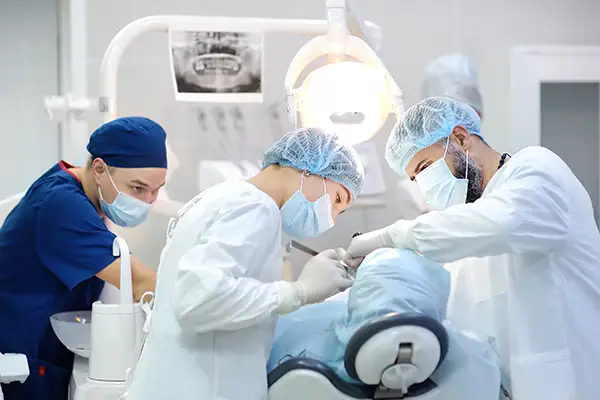 Getting back to your routine after oral surgery is important, especially if that routine includes exercise. Many people are eager to resume their workouts, but it's crucial to understand how physical activity can affect healing. This article explains the connection between oral surgery and exercise, helping you decide when it's safe to get back in the game. Getting back to your routine after oral surgery is important, especially if that routine includes exercise. Many people are eager to resume their workouts, but it's crucial to understand how physical activity can affect healing. This article explains the connection between oral surgery and exercise, helping you decide when it's safe to get back in the game.
Understanding the Impact
Oral surgery, even seemingly minor procedures, initiates a healing process. Your body needs resources to repair tissues, control inflammation, and prevent infection. Exercise, while generally beneficial, puts added stress on the body. It increases blood pressure, heart rate, and blood flow. While increased blood flow is usually good, in the immediate post-operative period, it can potentially disrupt clot formation at the surgical site, leading to complications like prolonged bleeding or a dry socket.
The Initial 24-48 Hours: Rest is Key
The first 24 to 48 hours after oral surgery are the most critical for initial healing. During this time, rest is paramount. Avoid any strenuous activity, including heavy lifting, intense cardio, or anything that significantly elevates your heart rate. Gentle walking is usually fine, but listen to your body and stop if you feel any discomfort or throbbing at the surgical site. Focus on following your surgeon's post-operative instructions, which often include taking prescribed medications, applying ice packs, and maintaining a soft food diet. Think of this period as an investment in a smoother, faster recovery.
Gradual Return to Activity
After the initial rest period, you can begin to gradually reintroduce exercise into your routine. Here's a general guideline:
| • |
Days 3-5: Light activities, such as walking or light stretching, are usually permissible. Avoid anything that causes you to strain or clench your jaw. |
| • |
Days 5-7: If you're feeling good and experiencing minimal discomfort, you can gradually increase the intensity of your workouts. However, avoid high-impact activities like running or jumping, as these can still increase blood flow to the surgical area and potentially disrupt healing. |
| • |
After One Week: If your healing is progressing well and you're not experiencing any complications, you can typically return to your normal exercise routine. However, it's always best to err on the side of caution and listen to your body. If you experience any pain, swelling, or bleeding, stop exercising and contact your oral surgeon. |
Considerations and Prevention Dentistry
Individual healing times vary depending on the type of oral surgery performed, your overall health, and your adherence to post-operative instructions. More complex procedures, such as multiple extractions or bone grafting, may require a longer period of rest and a more gradual return to exercise.
Practicing excellent prevention dentistry such as regular dental check-ups and cleanings helps maintain optimal oral health. Being proactive and maintaining good oral hygiene can help avoid or minimize the need for oral surgery.
Communication is Key
Always discuss your exercise plans with your oral surgeon before resuming your normal routine. They can assess your individual healing progress and provide personalized recommendations based on your specific situation. Open communication ensures a safe and successful recovery, allowing you to get back to your active lifestyle as soon as possible.
|
|