Things to Understand About Your Wisdom Teeth
Posted on 6/15/2026 by Dr. Scherer |
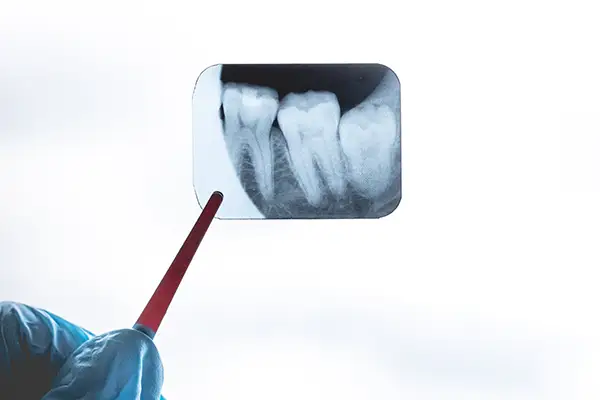 Let's talk about those teeth in the very back of your mouth – your wisdom teeth! They're officially called third molars, and they usually show up between the ages of 17 and 25. For some people, they come in just fine and cause no problems. But for many, wisdom teeth can create a whole host of issues. Understanding what might happen with your wisdom teeth is important for your overall oral care. Let's talk about those teeth in the very back of your mouth – your wisdom teeth! They're officially called third molars, and they usually show up between the ages of 17 and 25. For some people, they come in just fine and cause no problems. But for many, wisdom teeth can create a whole host of issues. Understanding what might happen with your wisdom teeth is important for your overall oral care.
Why Do Wisdom Teeth Cause Problems?
The biggest reason wisdom teeth become problematic is lack of space. Our jaws are often too small to comfortably fit these extra molars. When there isn't enough room, wisdom teeth can become impacted. Impacted means they get stuck beneath the gum line or only partially erupt. They might grow sideways, angled forward, or even angled backward.
Impacted wisdom teeth can lead to several complications. One common issue is pain and discomfort. The pressure from the impacted tooth can cause aching in the jaw, headaches, and even earaches.
Another concern is infection. When a wisdom tooth partially erupts, it creates a flap of gum tissue. This flap can trap food particles and bacteria, making it difficult to clean properly. This can lead to pericoronitis, an inflammation and infection of the gum tissue around the tooth. Symptoms of pericoronitis include pain, swelling, difficulty opening your mouth, and a bad taste or odor.
Crowding is another potential problem. As wisdom teeth try to erupt, they can push against your other teeth, causing them to shift and become misaligned. This can undo years of orthodontic treatment.
Finally, wisdom teeth can contribute to cysts and tumors. In rare cases, a sac around the impacted wisdom tooth can fill with fluid, forming a cyst. Cysts can damage the jawbone, nerves, and surrounding teeth. Even less commonly, a tumor can develop.
What Happens If I Have Problems?
If you're experiencing any pain or discomfort in the back of your mouth, or if your dentist notices potential problems during a routine checkup, they will likely recommend an evaluation. This usually involves taking X-rays to see the position of your wisdom teeth and assess the surrounding structures.
The goal of any treatment is to prevent future problems. This might involve regular monitoring if the wisdom teeth are not causing any current issues and are in a position where they are unlikely to cause problems in the future. However, if there is evidence of impaction, infection, crowding, or other complications, your dentist may recommend removal of the wisdom teeth.
How Does Wisdom Tooth Removal Work?
The removal of wisdom teeth is a common surgical procedure. The complexity of the procedure depends on several factors, including the position of the teeth, the degree of impaction, and the shape of the roots.
Before the procedure, your oral surgeon will discuss your medical history, the details of the procedure, and your options for anesthesia. Anesthesia options typically include local anesthesia (numbing the area), intravenous sedation (making you relaxed and drowsy), or general anesthesia (putting you completely to sleep).
During the procedure, the oral surgeon will make an incision in the gum tissue to expose the tooth. If necessary, the tooth may be divided into smaller pieces to make it easier to remove. After the tooth is removed, the site is cleaned and the gums are stitched closed.
What About After the Procedure?
Following the procedure, you'll receive instructions on how to care for the extraction sites. This will include information on pain management, diet, oral hygiene, and potential complications. It's important to follow these instructions carefully to promote healing and prevent infection.
While wisdom teeth are often removed to prevent problems, it’s important to remember the goal of oral care is to keep as many teeth as possible. Sometimes, a person may have missing teeth due to decay, disease, or injury, and if the wisdom teeth are in good condition and erupting properly, they may serve as a potential option as part of future restoration dentistry.
Understanding the potential issues associated with wisdom teeth is key to maintaining good oral health. If you have any concerns about your wisdom teeth, talk to your dentist. Early detection and treatment can help prevent more serious problems down the road.
|
|