How Long is the Recovery Process for Implants?
Naperville, IL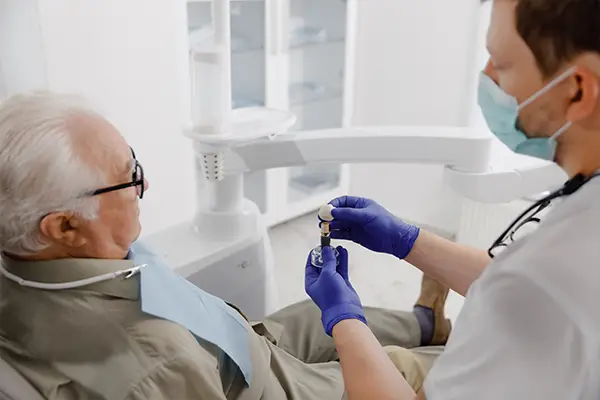 Choosing dental implants is an important step toward restoring your smile, confidence, and oral function. While the long term benefits are well known, many patients have questions about what happens after treatment. One of the most common concerns is recovery. How long does it take? What should you expect at each stage? And how can you support proper healing along the way? Choosing dental implants is an important step toward restoring your smile, confidence, and oral function. While the long term benefits are well known, many patients have questions about what happens after treatment. One of the most common concerns is recovery. How long does it take? What should you expect at each stage? And how can you support proper healing along the way?At our oral surgery office in Naperville, we believe that understanding the recovery process helps patients feel more prepared and at ease. Dental implant healing happens in stages, and each phase plays a vital role in creating a strong and lasting foundation. The Dental Implant Healing ProcessDental implants are designed to replace missing tooth roots and support long lasting restorations. Because they are placed directly into the jawbone, healing involves both the surrounding gum tissue and the underlying bone. This process, known as osseointegration, allows the implant to bond securely with the jaw. Recovery is not a single event but a gradual progression. Some patients heal quickly, while others require additional time depending on bone quality, overall health, and the complexity of treatment. Our oral surgeon will carefully monitor each phase to ensure proper healing. Step One, The First 24 to 48 Hours After SurgeryThe initial recovery period begins immediately after implant placement. During the first day or two, your body starts forming protective blood clots and initiating tissue repair. It is normal to experience mild to moderate swelling, tenderness, and minor bleeding during this time. These symptoms typically peak within the first 48 hours and then begin to subside. Patients are usually advised to rest, apply cold compresses, and follow all post surgical instructions. Soft foods, adequate hydration, and prescribed medications support comfort and healing. Avoiding strenuous activity during this stage helps prevent unnecessary strain on the surgical site. Step Two, The First Week of HealingDuring the first week, the gums continue to close around the implant area. Swelling and discomfort steadily decrease, and most patients begin feeling more comfortable within several days. Stitches, if used, may dissolve on their own or be removed at a follow up visit. Our oral surgeon will evaluate the surgical site to confirm that healing is progressing properly. At this stage, patients can often return to normal routines, although heavy physical exertion and chewing directly on the implant site should still be avoided. Maintaining excellent oral hygiene is essential to protect the area from infection. Step Three, Weeks Two Through FourBy the second week, soft tissue healing is usually well underway. The gums become more stable, and most visible signs of surgery have resolved. Internally, bone healing continues beneath the surface. Although you may feel normal, the implant is still integrating with the jawbone. This hidden phase is critical for long term success. Patients typically resume regular eating habits with guidance from our dental team. Careful brushing and gentle rinsing help maintain a clean environment for healing. Step Four, Osseointegration, Three to Six MonthsThe most important phase of implant recovery is osseointegration. This process occurs over several months as bone cells grow and attach firmly to the implant surface. For most patients, this phase lasts between three to six months. During this time, the implant gradually becomes a stable part of the jaw structure. Even though discomfort is minimal or absent, healing is still actively taking place. Regular follow up visits allow us to monitor bone development and confirm that the implant is securely anchored. X rays and clinical evaluations help ensure everything is progressing as planned. Step Five, Healing After Bone Grafting, If NeededSome patients require bone grafting before or during implant placement to strengthen the jawbone. When grafting is involved, the recovery timeline may be extended. Bone graft healing can take several months before implant placement or final restoration. This additional time allows the graft material to integrate with existing bone and create a stable foundation. Although this may lengthen treatment, it significantly improves the long term success of dental implants. We will explain how grafting affects your individual timeline. Step Six, Abutment Placement and Final HealingOnce osseointegration is complete, a small connector piece called an abutment may be placed on the implant. This component supports the final restoration. Abutment placement is usually a minor procedure with minimal recovery time. Mild soreness or gum sensitivity may occur for a few days. The surrounding tissue quickly adapts, creating a natural looking gum line. After this stage, impressions are taken for your custom crown or restoration. Step Seven, Receiving Your Final RestorationThe final step in the recovery process is the placement of your permanent crown, bridge, or denture. This restoration is designed to match your natural teeth in appearance and function. Once attached, most patients feel immediate improvement in comfort and confidence. Normal chewing, speaking, and smiling can resume without concern. Although active healing is complete at this point, ongoing care remains important. Routine dental visits and daily oral hygiene help protect your dental implants. Factors That Can Affect Recovery TimeWhile the general timeline applies to many patients, several factors may influence healing speed, including overall health, smoking habits, oral hygiene practices, bone density, and treatment complexity. Conditions such as diabetes or gum disease may require additional monitoring. Following all post treatment instructions plays a major role in supporting efficient recovery. Dr. Michael Scherer will develop a personalized plan to account for these variables and promote optimal outcomes. How to Support a Smooth RecoveryPatients can take several steps to encourage proper healing. These include attending all follow up appointments, maintaining excellent oral hygiene, avoiding tobacco products, eating a balanced diet, and reporting unusual symptoms promptly. Consistent care helps reduce complications and ensures each phase progresses as expected. Schedule Your Implant Consultation in Naperville, ILDental implant recovery is a gradual, carefully guided process that leads to lasting results. From the first day of healing to the final restoration, each step builds toward a stronger, healthier smile. At Wheaton Oral Surgery we are committed to providing personalized care, advanced treatment options, and clear guidance throughout the implant process. If you are considering dental implants or have questions about recovery, we invite you to contact our office at (331) 204-0314 to schedule a consultation. |
 Phone(331) 204-0314 HoursMonday: 9:00am - 4:00pm Tuesday: 9:00am - 4:00pm Wednesday: 9:00am - 7:00pm Thursday: 9:00am - 5:00pm Friday: 9:00am - 3:00pm |